
Introduction
Starting your 8-month-old on solids is an exciting milestone. Baby-led weaning (BLW) empowers babies to self-feed by exploring various foods. This approach fosters independence and helps them develop motor skills while discovering new tastes and textures. As you embark on this journey, it’s important to know the suitable foods and safety measures for the best experience. This guide will provide you with valuable insights and practical recommendations to ensure your baby’s healthy and joyful feeding adventure.

What is Baby-Led Weaning?
Baby-led weaning is a method that prioritizes a baby’s autonomy at mealtimes. Instead of spoon-feeding purees, parents offer whole foods in manageable sizes for the baby to explore at their own pace. This hands-on method enhances dexterity and encourages babies to listen to their hunger cues. By promoting exploration of food independently, BLW can lay the foundation for a lifetime of healthy eating habits.
With the core principles of baby-led weaning understood, let’s delve into why 8 months is an ideal age to embrace this approach.
Benefits of Baby-Led Weaning at 8 Months
By the age of 8 months, many babies are ready to increase their interaction with food. At this stage, babies are generally more curious and prepared to handle self-feeding. Incorporating BLW can have several advantages:
- Motor Skill Development: Handling foods helps refine their ability to grasp and manipulate different shapes and textures gracefully.
- Enhanced Sensory Experience: It broadens exposure to a myriad of textures, tastes, and colors, enriching their sensory development.
- Improved Eating Habits: Encouraging self-regulation reduces the chances of overeating by allowing babies to follow their internal hunger signals.
- Family Involvement: Integrating your baby into family meals provides social interaction that reinforces positive behavior patterns and language development.
Recognizing these benefits encourages parents to transition to baby-led weaning thoughtfully, ensuring the prerequisites for readiness are met.
Recognizing Readiness in Your 8-Month-Old
Determining your baby’s readiness for baby-led weaning involves observing specific developmental markers. Here are key signs that indicate your baby may be ready for BLW:
- Sitting Without Support: The ability to sit upright with minimal assistance is crucial for safe eating.
- Interest in Food: Reaching towards your plate or watching intently as you eat can signal eagerness to try solid foods.
- Improved Coordination: Your baby can pick up foods and bring them effectively to their mouth.
- Reduced Tongue-Thrust Reflex: As this diminishes, babies can manage solid foods better without pushing them out of their mouths.
Acknowledging these readiness signs helps you confidently introduce a varied and balanced diet through BLW.
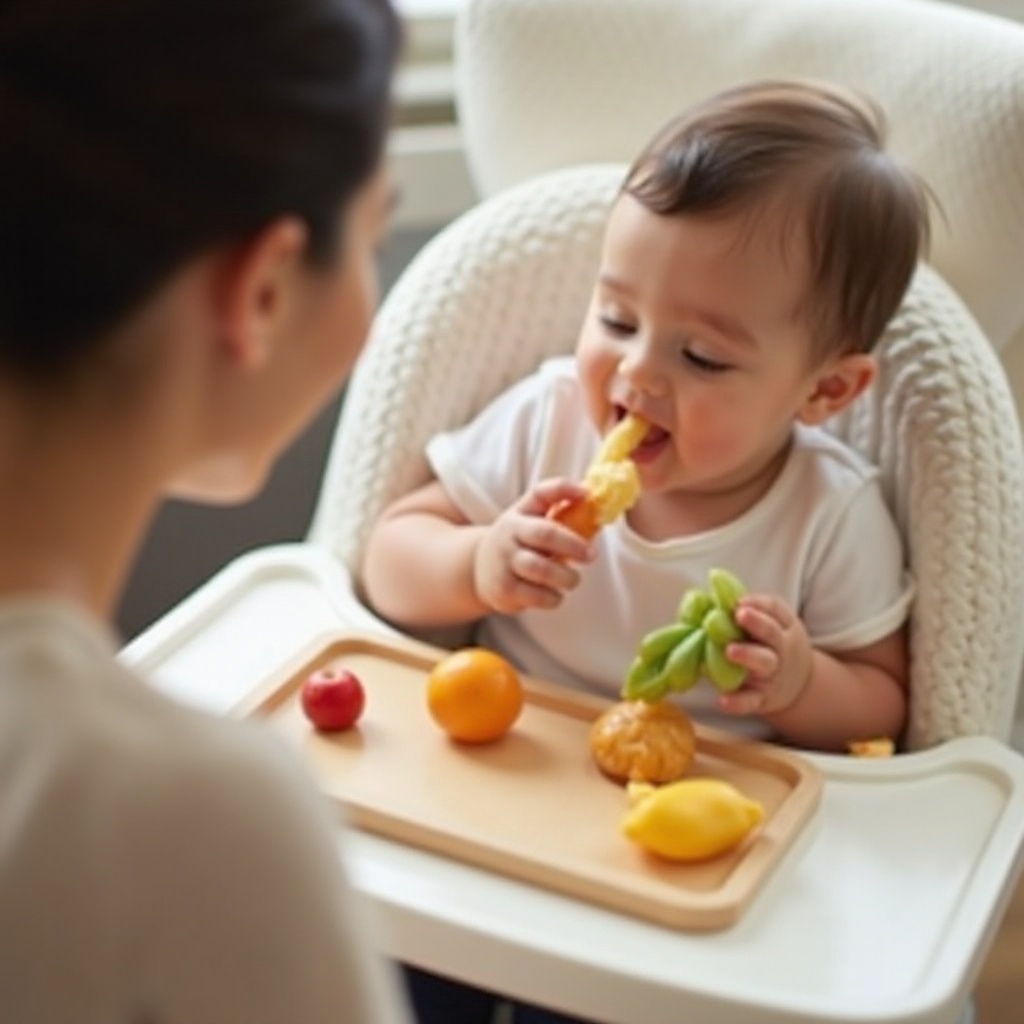
Best Baby-Led Weaning Foods for 8-Month-Olds
Selecting the right foods is crucial for a positive BLW experience. At this age, babies benefit greatly from diverse nutrients to support their growth. Here are excellent food options to introduce:
- Fruits to Introduce:
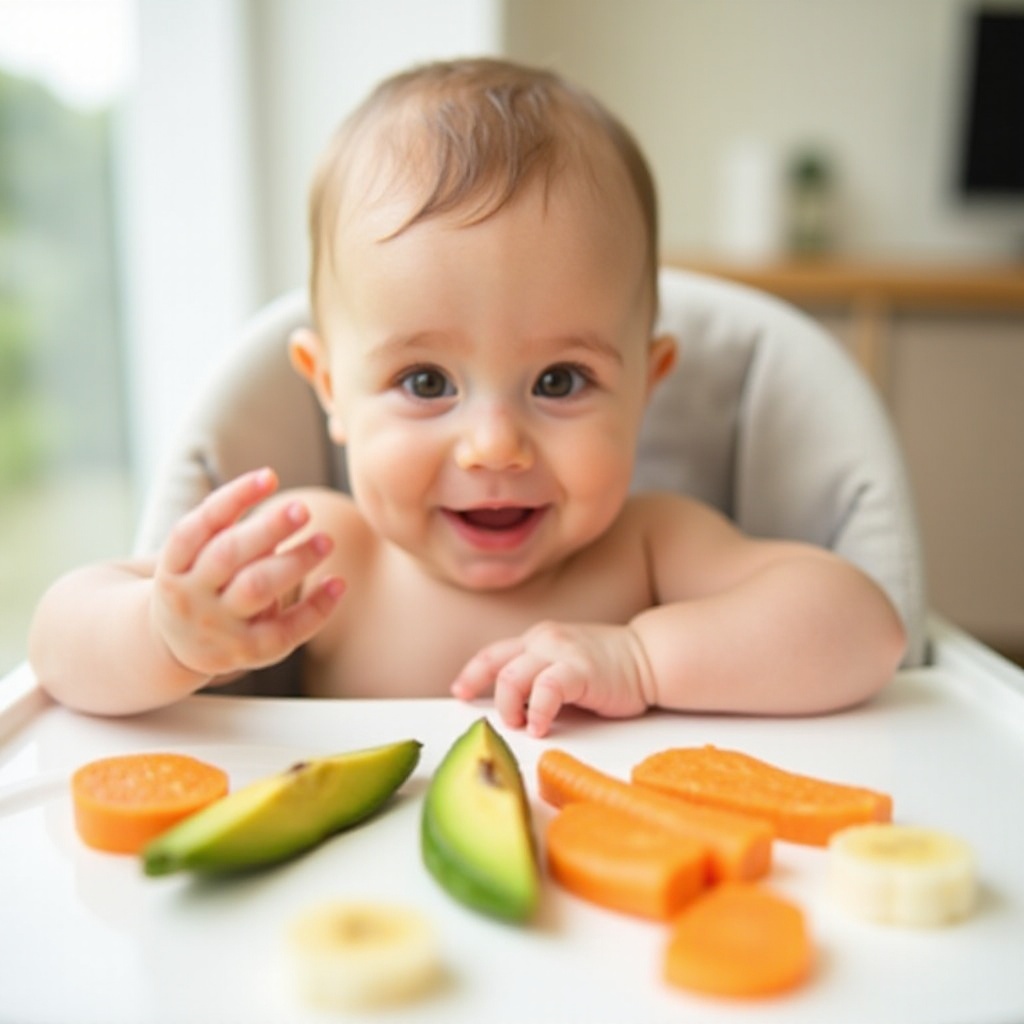
- Offer soft, ripe bananas sliced lengthwise, making them easy to grasp.
- Peaches, peeled and cut into manageable chunks, provide a sweet and juicy treat.
-
Avocado slices deliver healthy fats essential for brain development.
-
Vegetables to Try:
- Steamed carrot sticks offer a vibrant color and a soft texture that’s easy to handle.
- Broccoli florets can be steamed to make them tender and manageable.
-
Roasted zucchini slices introduce unique flavors and shapes.
-
Protein Sources:
- Shredded chicken or turkey provides ample protein in an easy-to-chew form.
- Soft cubes of tofu are versatile and gentle on little gums.
- Pieces of hard-boiled eggs are nutritious and simple to prepare.
Choosing these foods lays the groundwork for a nutritionally balanced diet that supports your child’s development. Ensuring safety during meals enhances the experience.
Safe Practices for Baby-Led Weaning
Safety is a top priority with BLW, and adopting suitable practices minimizes risks. Here are guidelines to assist in creating a safe eating environment:
- Choking Hazards and Prevention:
- Constantly supervise your baby during meals.
-
Ensure foods are cut into small, manageable pieces to avoid choking risks. Avoid foods that are hard, small, or sticky, such as whole grapes or nuts.
-
Allergen Introduction and Management:
- Introduce new foods, especially common allergens like eggs, peanuts, and dairy, one at a time. This approach helps monitor any adverse reactions easily.
By implementing these practices, you can enhance your baby’s security and enjoyment as they navigate new foods.
Tips for Successful Baby-Led Weaning
Supporting your child in their BLW journey involves a few key strategies to encourage engagement and curiosity:
- Creating a Safe Eating Environment:
-
Use a high chair that is stable with good back support, and ensure your baby is upright during meals to facilitate safe swallowing.
-
Encouraging Self-Feeding:
- Allow your baby to explore foods without intervention, fostering their interest in different textures and tastes.
- Be patient and give space for your child to learn and enjoy the process at their own pace.
These strategies bolster your baby’s confidence and enable them to enjoy mealtimes as a shared family experience.
Conclusion
The phase of baby-led weaning opens a new window into your baby’s growth, autonomy, and relationship with food. By understanding the fundamental aspects of BLW, such as selecting appropriate foods, recognizing readiness cues, and maintaining safe feeding practices, you can embrace this method with confidence. Observing your baby’s unique cues will guide this transition, ensuring they develop a healthy relationship with food. This journey not only promotes your child’s nutritional intake but also fosters an environment of exploration and joy around mealtime, leaving lasting benefits.
Frequently Asked Questions
What are the signs my baby is ready for baby-led weaning?
Look for readiness indicators like sitting up independently, showing interest in food, improved hand-eye coordination, and diminished tongue-thrust reflex.
How do I handle choking concerns?
Supervise your baby during meals, serve appropriately sized foods, and avoid items that are hard, small, or sticky to minimize choking risks.
When should I introduce potential allergenic foods?
Introduce one potential allergen at a time to monitor for any reactions, starting with common allergens such as eggs, peanuts, and dairy.