
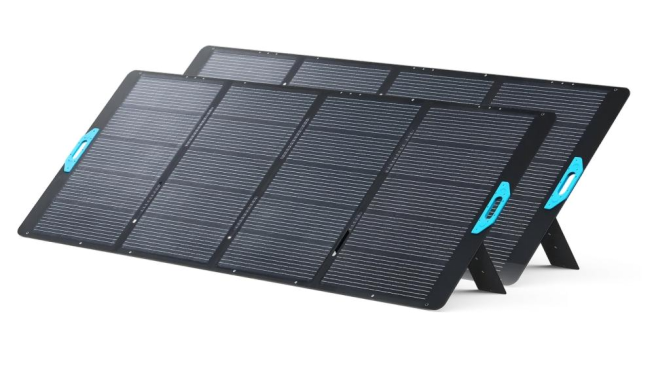
Home solar systems change the way households think about electricity because solar power doesn’t behave like a constant, grid-supplied resource. Output varies throughout the day, depends on the weather, and follows seasonal shifts, which means families often adjust when and how they use energy. These adjustments help maximize system efficiency, manage consumption during cloudy periods, and make the most of each hour of sunlight. Portable solutions such as the Anker SOLIX PS400 Portable Solar Panel also support smoother transitions by offering adjustable angles, fast charging, and flexible placement. When homeowners understand solar’s rhythm, they naturally reshape daily habits to unlock stronger performance and long-term value.
How Daily Routines Adapt Around Solar Power Availability?
Planning High-Load Activities During Midday
Solar power reaches its strongest output when sunlight is most direct, typically between late morning and early afternoon. Because of this predictable pattern, households benefit by scheduling energy-heavy tasks within these hours. Laundry, dishwashing, pool filtration, water heating cycles, or even electric vehicle charging work more efficiently when they rely on plentiful midday production rather than early morning or evening grid demand. This shift doesn’t require major lifestyle changes—only smoother coordination. When families incorporate tools like the Anker SOLIX PS400, which delivers up to 23% conversion efficiency and 400W maximum output, they gain even more control. Positioning the panel during peak sun boosts solar harvesting, helping portable power stations recharge quickly and reducing reliance on grid power for later use. Aligning chores with sunlight creates a natural synergy that strengthens the overall return on solar investment.
Responding to Seasonal Variations in Sunlight
Solar energy output rises and falls with the seasons, prompting households to adjust energy habits accordingly. Winter brings shorter days and lower sun angles, while summer delivers abundant light and extended production hours. Homeowners who recognize these patterns often shift certain routines—running major appliances earlier in the afternoon or spreading loads more evenly across the day—to match changing output. Portable panels add flexibility in low-sun seasons. The Anker SOLIX PS400 offers four tilt angles—30°, 40°, 50°, and 80°—allowing users to position the panel to capture seasonal light more effectively. A steeper winter angle, for instance, collects more energy when the sun sits lower in the sky. These adjustments optimize charging efficiency, extend the usefulness of solar power throughout the year, and help families maintain stable energy habits despite shifting weather conditions.
Using Stored Solar Energy More Strategically
Even with strong production, solar energy is not continuous once the sun sets. Homes often adjust nighttime and early-morning routines to account for the availability of stored solar power. Instead of running many devices at once in evening hours, families may stagger usage to preserve the stored charge for essential needs—lighting, refrigeration, communications, or heating and cooling controls. Portable systems help support this strategy. When the Anker SOLIX PS400 recharges a power station during the day, that stored power becomes a reliable nighttime source. This reduces peak-hour grid consumption and supports households during outages or high-demand periods. Strategically using stored power helps ensure that daily habits complement solar production patterns, enhancing both efficiency and resilience.
How Home Setup and Equipment Choices Influence Daily Adjustments?
Building Flexible Solar Configurations That Match Household Use
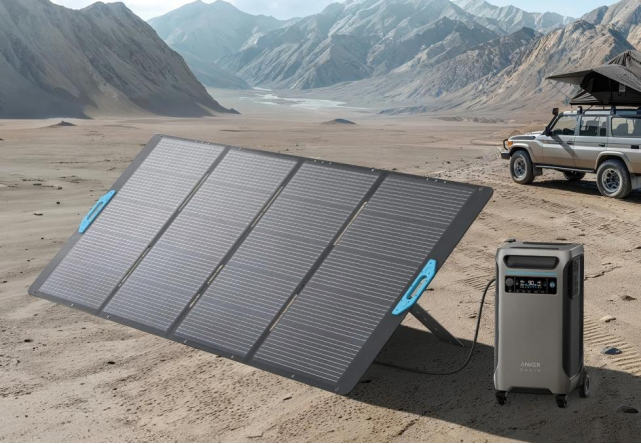
Lifestyle adjustments become easier when homeowners adopt flexible systems that adapt to changing conditions. Rooftop panels provide a steady baseline production, but portable solutions expand what families can accomplish with sunlight. A device like the Anker SOLIX PS400 can be moved across the yard, taken on trips, or positioned temporarily for high-output sessions. This mobility helps households collect more light during early mornings or late afternoons when fixed panels may not face the ideal direction. It also enables supplemental charging for backup power stations without altering existing installations. With flexibility built into the system, homeowners need fewer behavioral changes because they can adjust the equipment—rather than the routine—to match energy needs.
Positioning Panels to Maximize Sun Exposure
Proper placement is one of the most important parts of home solar performance. Shading from trees, chimneys, roofs, or nearby buildings reduces energy generation and may prompt households to modify scheduling habits to accommodate lower output. Portable panels simplify this challenge by allowing users to reposition them as shadows shift throughout the day. The PS400 folds and unfolds easily, and its IP67 waterproof construction ensures safe outdoor use even in changing weather. By placing the panel in the sunniest spot—whether a patio, driveway, open yard, or balcony—families boost overall daily production without making major lifestyle compromises. Better placement reduces the need for strict scheduling, producing a more consistent energy flow throughout the day.
Balancing Consumption Patterns to Match Solar Availability
Solar systems perform best when energy use remains steady instead of occurring in large bursts. Homes often adjust by spreading high-load tasks over several hours instead of running everything simultaneously. This helps prevent sudden spikes that surpass solar production in real time. For instance, running a dryer right after the dishwasher has finished ensures each appliance receives more of its power from sunlight rather than the grid. When charging portable power stations, this pattern also helps homeowners get more value from sunlight captured by the PS400. Steady charging aligns naturally with the panel’s consistent output throughout the day. Consumption smoothing becomes second nature once families understand how different appliances draw power and how solar behaves across varying conditions.
Conclusion
Solar adoption encourages households to rethink their daily energy rhythms, not because the technology is difficult to use, but because sunlight itself arrives in patterns that reward thoughtful planning. Adjusting appliance timing, responding to seasonal sunlight, and using stored energy wisely all contribute to smoother, more cost-effective operation. Equipment choices also impact how easily families adapt. Portable tools such as the Anker SOLIX PS400 Portable Solar Panel make it simpler to match panel positioning, seasonal angles, and supplemental charging to real-world conditions. Whether families aim to cut grid dependence, expand their power options, or prepare for emergencies, understanding how panels solar home systems blend with daily routines creates a stronger and more resilient energy lifestyle.