
Setting up a solar powered generator for the first time doesn’t have to be complex. With the appropriate instructions, you may securely start using your system within minutes. From unpacking to attaching solar panels and measuring output, first-time consumers require a straightforward, unambiguous approach. Avoiding common errors ensures your generator runs effectively and securely straight out of the box. This tutorial leads you through the setup process, highlights basic errors to avoid, and gives key advice for long-term use. Whether you’re planning for crises or traveling off-grid, a thorough first setup provides you with confidence and enhances your solar generator’s efficiency from day one.
How Do You Set Up a Solar Powered Generator for the First Time?
Unboxing, Initial Inspection, and First Charge
Start by carefully unboxing your solar power generator and checking for damage or missing parts. Inspect the battery display, outlets, input ports, and fan vents for any evident faults. Confirm that included accessories—like charging cords, adapters, and manuals—are undamaged. Read the quick-start instructions or manual before turning on. Charge the generator thoroughly using a power outlet before first use. Most manufacturers recommend a first AC charge to balance cells and calibrate the battery system. During charging, watch the display to verify it’s taking in power appropriately. A full charge primes the gadget for solar panel connection and proper performance under real-use conditions.
Connecting Solar Panels, Cables, and Input Ports
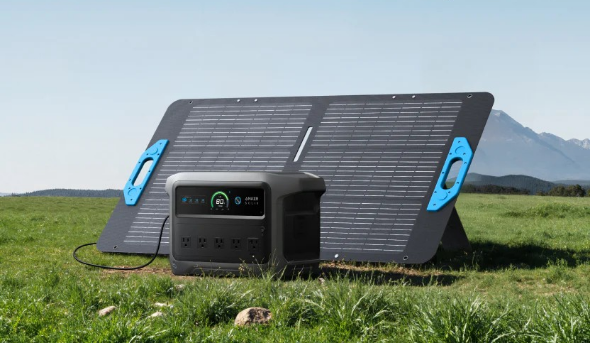
Once your generator has been charged and inspected, attach your solar panels. Begin by positioning the panels in direct sunlight at the appropriate tilt angle. Use MC4, Anderson, or DC cables given by the manufacturer or that are suitable, and make sure all connections are tight and dry. Connect the panel cable to the generator’s solar input connector, checking for polarity where appropriate. Don’t use damaged or mismatched connections. Monitor the display or indication lights to ensure that solar input is being received. If the generator has adjustable input settings, make sure the voltage and power are within safe limits. Keep cords orderly and away from pathways. Always adhere to the panel positioning requirements for maximum performance and charging speed.
Powering On, Display Checks, and System Testing
After solar charging is confirmed, turn on your solar generator with the main switch or touchscreen interface. Look for the display to indicate the battery level, input/output watts, and system status. Test each output port (USB, DC, and AC) with appropriate low-wattage devices such as phones or LED lights. Check that each outlet works and that the inverter is properly activated for AC loads. Avoid attaching high-wattage appliances until you are certain that the system is functioning properly. Some versions include app integration; connect via Bluetooth or Wi-Fi to check performance. Confirm that all ports respond as expected, then shut down the machine and store it safely until required. Successful testing guarantees that your system is prepared for real-world use.
What Are the Most Common Setup Mistakes First-Time Users Make?
Incorrect Panel Placement and Poor Sun Exposure
One of the most common blunders is putting solar panels in dark or poorly oriented sites. Sunlight is essential since partial shadow from clouds, trees, or buildings can cut production by at least 50%. Panels should be angled to correspond with your latitude and face direct sunshine, preferably south in the Northern Hemisphere. Avoid positioning them behind windows unless they are particularly built for indoor usage. Solar effectiveness is decreased by even clean glass. Check the panel alignment throughout the day to observe sun movement and optimum exposure. Charging speed and overall performance are greatly enhanced by taking the effort to optimize panel location, particularly during critical power requirements.
Overloading Outputs or Using the Wrong Cables
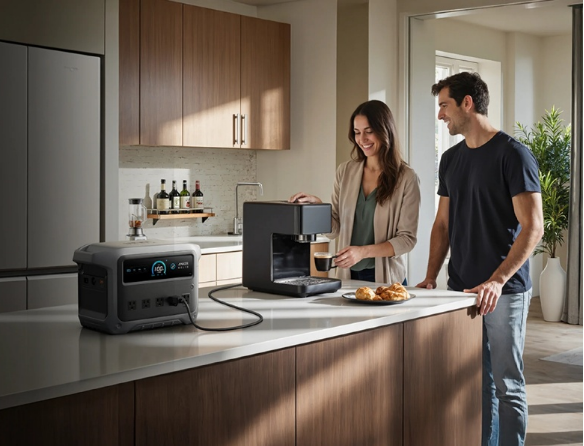
Connecting mismatched wires or overloading output ports are two more frequent problems. Each port has a designated maximum wattage—exceeding that limit might trigger the system or cause overheating. Avoid using daisy-chain extension cables or plugging several high-wattage gadgets into a single socket. Using unauthorized or off-brand cables may result in power dips, connection issues, or even fire dangers. For solar, AC, or DC connections, always use the supplied or manufacturer-approved cords. To prevent an immediate overload, look for device starting spikes if the generator offers surge power. Use the generator’s display to track the output watts in real time. Staying under safe output limits safeguards your generator and linked items.
Skipping Safety Checks and User Manual Steps
First-time users sometimes disregard the user manual or speed through setup without verifying basic safety guidelines. This can lead to ignored warnings, inappropriate port usage, and storage errors. Always study the starting method, maximum ratings, and cooling needs. Place the generator on a level, ventilated surface, away from combustible items, dampness, and direct heat sources. Do not block vents or use the device in confined spaces without ventilation. Confirm grounding instructions for AC usage, if necessary. Many manuals provide troubleshooting instructions; reviewing them ahead of time can help prevent misunderstanding later. Following the whole setup procedure, including safety checks, assures dependable, risk-free operation from the beginning.
How Can You Use Your Solar Generator Safely and Efficiently?
Choosing the Right Location and Ventilation
Place your solar generator in a level, dry area with adequate ventilation. Avoid corners, closets, and enclosed cabinets that limit airflow. Most units have fans or passive vents to manage interior heat. Blocking them might result in overheating or impaired performance. Never set the generator near heat sources, such as space heaters, or in direct sunlight for lengthy periods of time. Select an indoor environment with low humidity and a consistent temperature for long-term storage or usage. For outdoor use, store it in the shade or within a ventilated tent or canopy. Good ventilation boosts efficiency, increases battery life, and lowers the likelihood of heat-related shutdowns.
Managing Power Loads and Battery Levels
To make the best use of your generator, prioritize vital items and keep your total power load under control. Avoid using numerous high-wattage appliances at the same time; instead, stagger them to increase runtime. Check the display periodically to check input and output power, and keep battery levels above 20% whenever feasible to ensure battery health. Use USB and DC connectors instead of AC outlets to decrease energy conversion loss. Set notifications or utilize mobile applications to monitor battery % and avoid total depletion. For longer travels or outages, recharge during peak sunlight hours. Efficient load management not only saves energy but also contributes to long-term performance and battery life.
Shutdown, Storage, and Routine Post-Use Care
After each use, turn off all gadgets and fully shut down the generator. Before storing anything, disconnect all input wires, particularly those for solar panels. Place the device in a cool, dry location free from dust and moisture. If the battery is left unused for a lengthy period of time, recharge it every 3-6 months to avoid deep drain. Clean the ports and display using a dry cloth, then look for loose connectors or broken wires. Avoid placing heavy objects on top of the generator. Firmware upgrades can be beneficial for some models; check the manufacturer’s website on a regular basis. Routine post-use maintenance ensures that your solar power generator remains dependable, safe, and ready for the next usage.
Conclusion
Setting up a solar-powered generator for the first time is straightforward if you follow the proper instructions. From packaging and charging to testing and everyday usage, meticulous attention to detail assures dependable and safe performance. Avoid typical problems such as improper solar installation, overloading ports, and neglecting safety inspections. To sustain performance, choose a well-ventilated area, keep your loads under control, and adhere to storage rules. With a little preparation, your generator may be a reliable source of clean electricity for emergencies, travel, or off-grid life. A good first setup instills confidence and improves the life and efficiency of your solar generator for years to come.