
Extended power outages disrupt daily routines in ways that quickly affect both comfort and food safety. A refrigerator that quietly runs in the background suddenly becomes the most important appliance in the house when electricity stops. Groceries purchased for the week, carefully prepared leftovers, and frozen staples can all spoil within hours if not managed properly. For many households, this means not only inconvenience but also unnecessary financial loss. The good news is that simple, practical steps can significantly reduce food waste during an outage. In this article, practical and realistic strategies will be explained to help protect refrigerated and frozen food during extended power interruptions.
1. Keep Doors Closed
When the power goes out, the most effective action is also the simplest: keep refrigerator and freezer doors closed. Every time the door opens, cold air escapes and warm air enters, accelerating the temperature rise inside the appliance. A closed refrigerator can typically keep food safe for about four hours, while a full freezer may maintain safe temperatures for up to 48 hours if left unopened. Even quick checks “just to see” can significantly shorten that safe window. Planning ahead by knowing where items are stored helps reduce unnecessary searching with the door open. Treating the refrigerator like a tightly sealed cooler during a camping trip can meaningfully extend the safe storage period.
2. Track Internal Temperatures
Fridge Above 40°F Means Food Danger Zone
When a refrigerator rises above 40°F (4°C), perishable food enters what is commonly called the danger zone, where bacteria multiply rapidly. Milk, cooked leftovers, sliced fruit, and deli meats are particularly vulnerable once this threshold is crossed. Even if food looks and smells normal, harmful bacteria can grow invisibly and pose health risks. Checking an appliance thermometer rather than relying on guesswork allows households to make informed decisions. If temperatures exceed 40°F for more than two hours, many high-risk foods should be discarded to prevent illness. Acting early, such as transferring perishables to a cooler with ice before reaching this point, can significantly reduce waste.
Freezer Above 32°F Signals Thawing Start
A freezer staying at or below 32°F (0°C) indicates that food remains frozen and generally safe. Once temperatures rise above this level, thawing begins and food quality starts to decline. Ice crystals inside packaging are a useful visual sign that items are still partially frozen. If food remains cold to the touch and contains ice crystals, it may still be safely refrozen in some cases. However, fully thawed items, especially meat and seafood, require careful evaluation. Monitoring freezer temperature reduces uncertainty and helps prevent both unnecessary disposal and unsafe refreezing.
3. Eat Perishables First
Consume Dairy, Meat, and Leftovers Early
Dairy products, fresh meats, cooked leftovers, and ready-to-eat meals are among the first items likely to spoil during an outage. These foods contain moisture and nutrients that allow bacteria to multiply quickly as temperatures rise. Preparing simple meals using these ingredients while they remain within safe limits helps minimize waste. Cooking meat thoroughly before it reaches unsafe temperatures can extend its usability. Soft cheeses and milk generally spoil faster than hard cheeses and butter, but all require monitoring. Prioritizing these items first helps protect both household budgets and health.
Move Items to Cooler with Ice If Needed
If refrigerator temperatures begin approaching unsafe levels, transferring high-risk items to a cooler packed tightly with ice or frozen gel packs can provide additional protection. A well-insulated cooler, when kept closed, can maintain cold temperatures for several hours. Grouping items closely together inside the cooler helps them retain cold more effectively. Keeping the cooler in a shaded indoor location further improves performance. Replenishing melted ice when possible extends the safe window for perishables. This simple step often prevents the need to discard large amounts of food during prolonged outages.
4. Power the Fridge With Backup
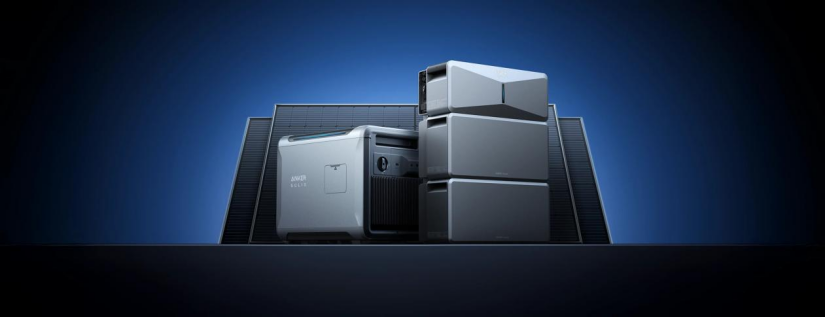
When outages extend beyond several hours, restoring power to essential appliances becomes the most reliable way to avoid food spoilage. A properly sized battery backup for home use can keep a refrigerator running long enough to preserve groceries safely. Systems such as the Anker SOLIX E10 are designed to support critical circuits, and a single unit can deliver up to 7.6 kW of continuous output, which is sufficient for major appliances like refrigerators. By automatically prioritizing essential loads, such systems help maintain stable temperatures without constant manual adjustments. Unlike temporary coolers, backup power keeps food stored in its original environment, reducing handling and contamination risk. Planning for backup power in advance transforms an extended outage from a crisis into a manageable inconvenience.

5. Know When to Toss
When in Doubt, Throw It Out
Uncertainty often leads to risky decisions during power outages. Food that has been exposed to unsafe temperatures may not show visible signs of spoilage. Tasting questionable food is never recommended, as harmful bacteria cannot always be detected by smell or appearance. If refrigerator temperatures exceeded 40°F for an extended period, perishable foods such as meat, poultry, seafood, and dairy should be discarded. While throwing food away can feel wasteful, foodborne illness carries far greater consequences. Clear temperature tracking makes these decisions more confident and less emotional.
Never Refreeze Thawed Meat or Dairy
Refreezing fully thawed meat or dairy products increases the risk of bacterial growth and quality deterioration. Once these foods reach temperatures above 40°F for several hours, they should not return to the freezer. Even if refrozen, texture and taste may suffer significantly. Partially thawed items that still contain ice crystals may be safer to refreeze, but caution is essential. Labeling and organizing freezer contents before outages can simplify later decisions. Maintaining strict safety standards ultimately protects both health and long-term food costs.
Conclusion
Avoiding food waste during extended outages requires awareness, preparation, and timely action. Keeping doors closed, monitoring internal temperatures, prioritizing perishable foods, and considering a reliable battery backup for home use all contribute to better outcomes. Clear temperature thresholds provide objective guidance when decisions feel uncertain. Backup systems can further protect refrigerators and reduce the stress associated with prolonged power interruptions. With thoughtful planning and practical steps, households can preserve both food safety and grocery budgets during unexpected outages.